
When Relevance Feels Forced: The Fine Line Between Timely and Try-Hard Ad/Social Posts
By Kiera Dunlevy
Shortening attention spans, oversaturated channels, and endless room for discourse – modern-day advertising is far from two-dimensional.
Overwhelmingly, Gen Z is the new commodity audience, and social media is the most sure-fire way to gain a second of their attention. On average, Gen Z spends 4.8 hours on social media per day, reopening the various platforms they frequent an average of 17 times per day.
It’s easier than ever for brands to reach who they want, but how can they be sure consumers will like what they see? From hopping on viral trends to leveraging off topical social issues, modern brands make constant attempts to stay relevant – but only some succeed.
Playing into Virality and Pop Culture
With a new lineup of TikTok trends taking off each week and batches of buzzwords oversaturating our vocabularies, staying relevant in the age of the internet can feel like an unforgiving sprint with no finish line in sight.
While participating in social media trends can be an effective approach towards boosting brand visibility, joining these trends should feel intentional – there is a fine line between what feels natural and what feels forced.
For example, many brands have tried to mimic the success of Duolingo’s or Ryanair’s social media marketing strategies. These brands have perfected the formula for organic engagement, entering relevant social media discourse through comment sections and reposts. As a result, many viral posts end up flooded with comments from official brand accounts, from cleaning products to financial institutions. Yet, most of these brands fail to actually connect with users.
To stay relevant, alignment between strategy and creative execution is critical. Ryanair, for example, can confidently take risks in its social media interactions thanks to its deep understanding of its target audience. As a budget airline, Ryanair doesn’t try to force a more positive brand perception; it gets in on the joke. When Ryanair replies to an X post, it doesn’t feel out of place. This is because the brand successfully established a self-aware, comedic, and unorthodox brand voice. Consequently, their overall negative reputation doesn’t stop people from flying with them – especially young Gen Z travelers who are willing to sacrifice comfort for a cheaper ticket price.
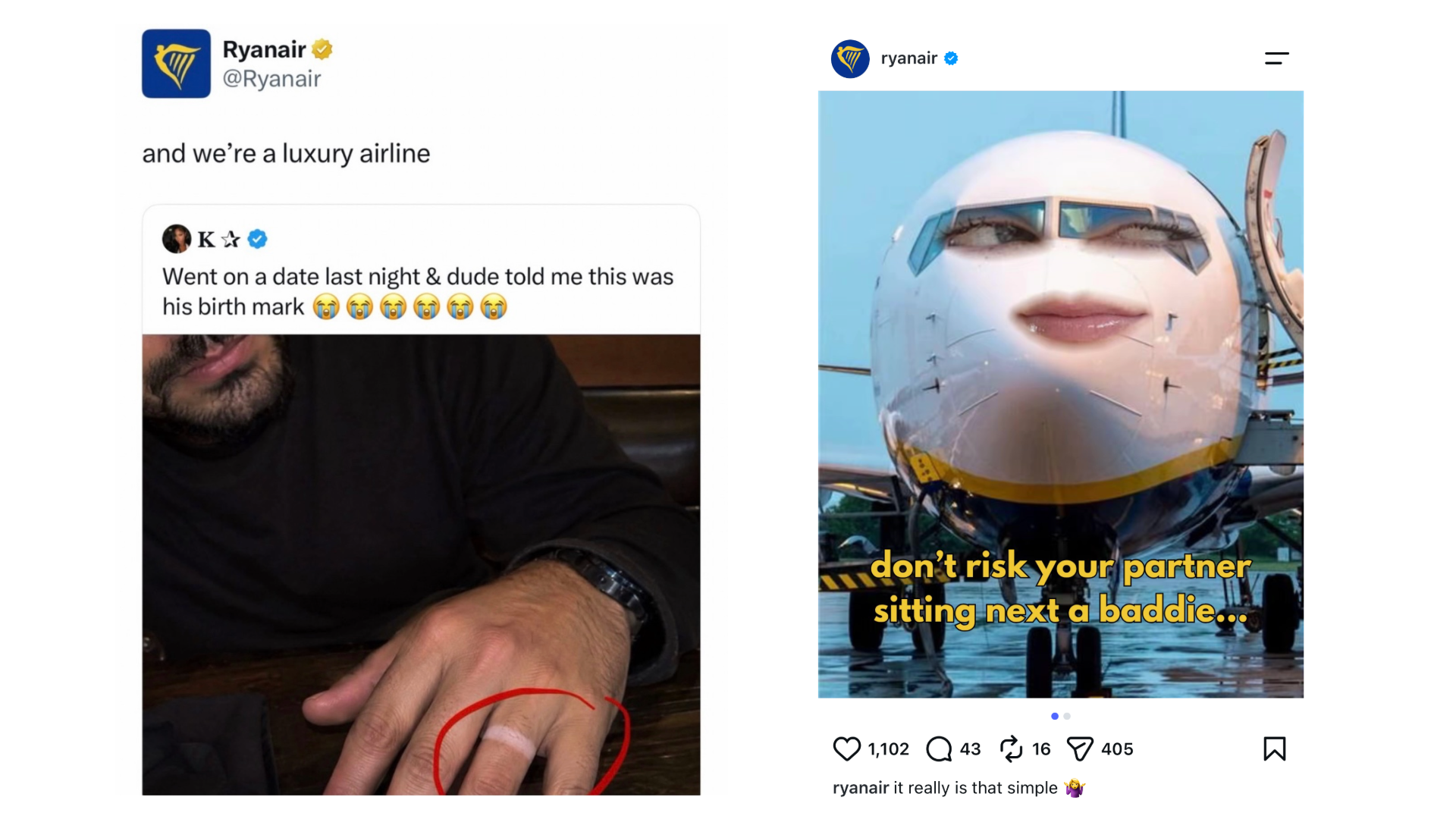
This brand voice isn’t exclusive to interactions with trending content; it's reflected throughout paid advertising and content posted to their own social channels. The brand voice itself is part of what they sell. It’s a critical part of their unique selling proposition.
All in all, being active on social media alone will not automatically win over young audiences. Before hopping on the latest TikTok trend, brands need to consider: Does playing into social media trends, memes, and the newest Gen Z slang fit our persona, or does it feel forced?
Social Relevance and the Risks of ‘Movement Marketing’
A brand’s grasp of culture isn’t the only thing that shapes Gen Z’s perceptions of brands. Along with intentional social media presence, 65% of Gen Z report that they like it when brands carry a moral message.
With this trend toward socially conscious consumerism, many brands are looking toward movement marketing. This tactic aligns a brand with social movements, creating meaningful impact through its brand platform while gaining popularity among like-minded consumers.
In practice, this isn’t as simple as it sounds – especially when brands don’t practice what they preach.
Many fast fashion brands, which tend to market towards younger audiences who want trendy styles for less, fall into “greenwashing.” This is when a brand presents itself and its products as more environmentally friendly than they really are.
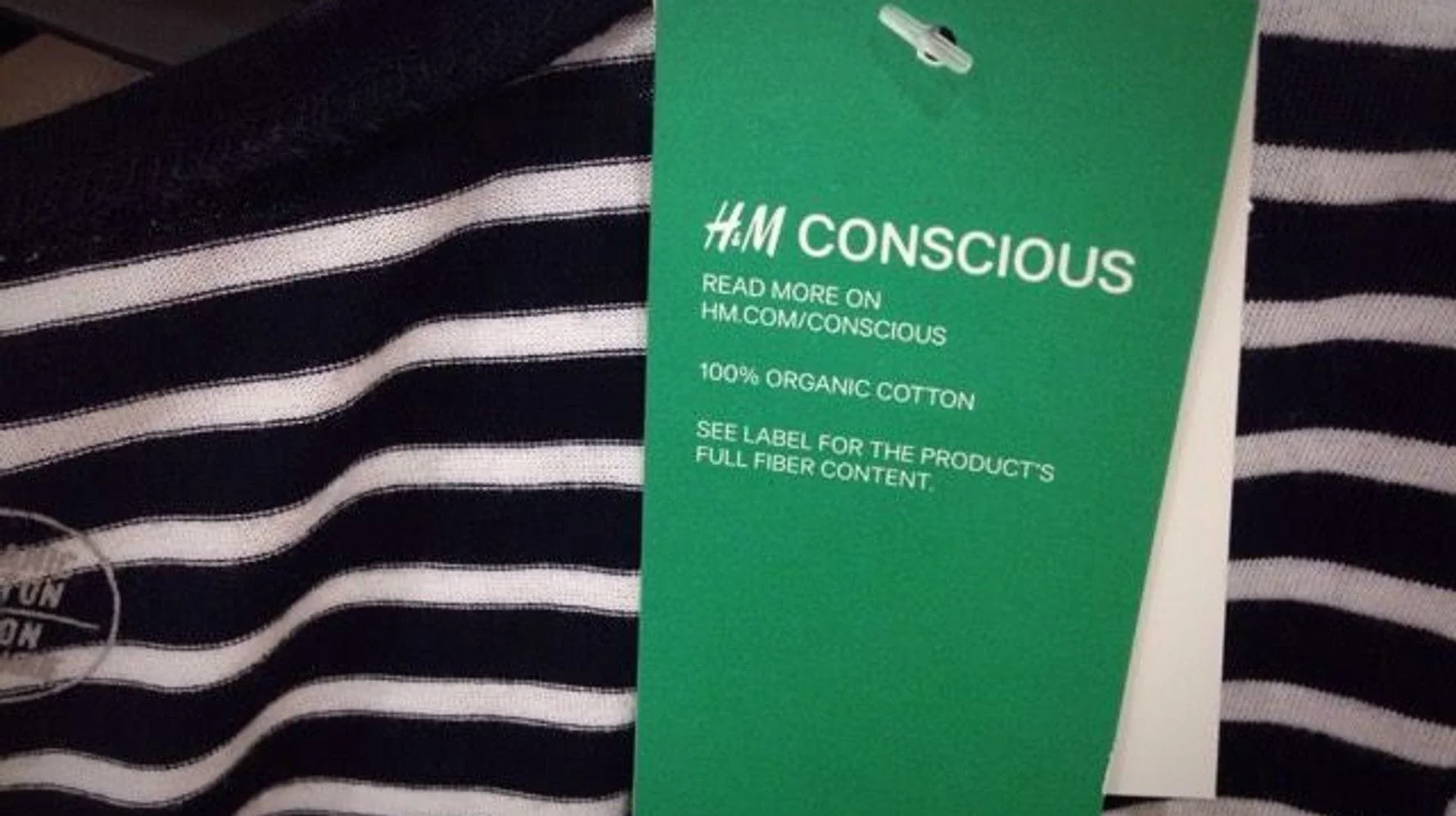
While there are many examples, H&M faced a major PR crisis in 2021 when the Scandinavian retailer was called out by the Changing Markets Foundation for failing to meet 96% of its sustainability claims.
The brand’s “H&M Conscious” collection was at the forefront of the scandal, sparking outrage and mistrust among socially conscious consumers who felt misled.
However, fashion brands that can credibly back up their sustainability claims ultimately win over a more loyal customer base. Brands like Reformation and Oddli are strong examples of brands rooted in the value of sustainability and, perhaps more importantly, transparency.
I have been following Oddli as the brand has grown from a passion project started by two Stanford graduates, Ellie Chen and Jensen Neff. While they have collaborated with some of my favorite influencers and musicians like Gracie Abrams and Role Model, what ultimately convinced me to buy from this brand was when Chen’s TikTok account started appearing on my For You Page. As co-founder and CEO, she shares content featuring the people who actually make the clothing, sit-down videos breaking down the quality and sustainability considerations behind each detail, and in-depth cost breakdowns of individual pieces.
This type of content doesn’t just provide transparency on Oddli’s pricing and practices; it gives the brand a face and a voice. It’s easier to trust a brand when the founders feel truly human and accessible.
All in all, before jumping into movement marketing to stay relevant, brands should ask themselves: Does our brand platform embody this cause's values?
If not, taking a stance on social issues feels performative, and sometimes even ironic. Gen Z can easily see through brands that exploit audiences’ emotional investment in prevalent social issues purely to boost their image. While it’s true that many young consumers care whether the brands they support align with their social values, they care even more about authenticity.
What Brands Need to Succeed
As the first generation of digital natives, Gen Z is easy to reach, but difficult to satisfy. With endless information and public forums at audiences’ fingertips, brands cannot fake their way to a desired brand perception. From social media strategy to foundational values, the most successful modern brands are grounded in authenticity.