
AI in Advertising: How is it Reshaping Agencies?
By Stella Louie
Not too long ago, you could easily spot an AI-generated ad. Maybe the copy felt slightly off, or the visuals felt too smooth, too perfect—an extra finger or an uncanny stare might have even made you do a double-take. It was weird enough to make you laugh or cringe and scroll right past. We also used to laugh at how easily the older generation fell for these ads…but don’t get too comfortable—it might be our turn next.
The truth is that AI is becoming a standard part of campaign development, with 83% of ad execs saying their companies deploy it in the creative process (up from 60% in 2024).
What’s even more interesting is that now, most people can’t reliably tell the difference between AI-generated ads and those made by humans. In fact, nearly half (45%) of people surveyed mistook AI-generated ads for human-made ones, with many even struggling to spot the difference.
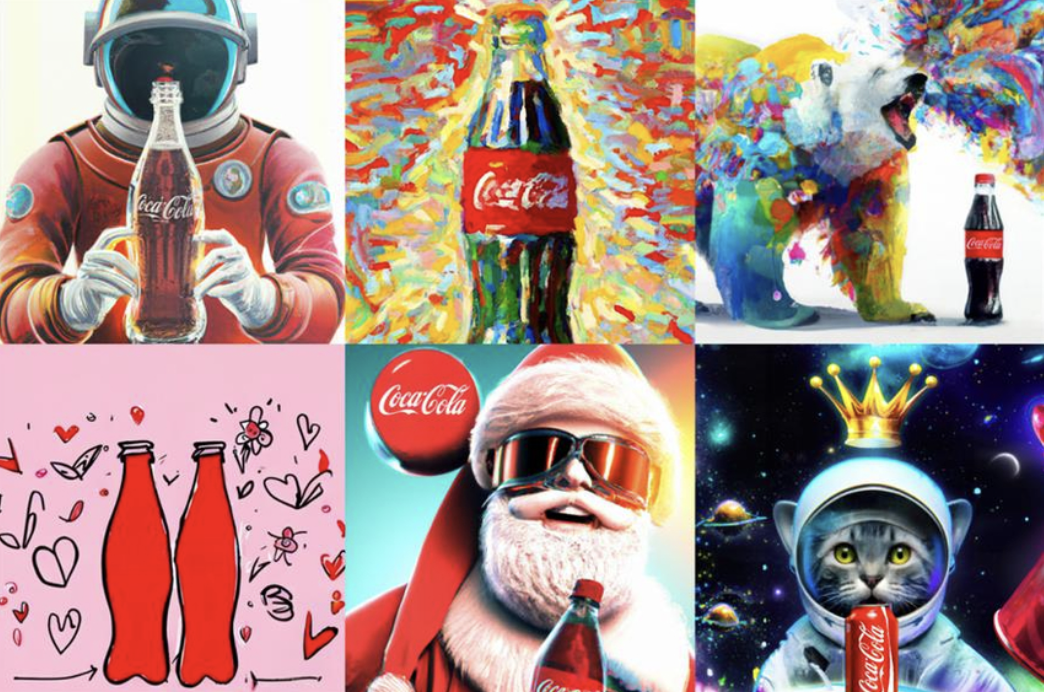
The Instagram ad you just scrolled past—the one that felt perfectly timed, oddly relevant or relatable, maybe even a little too accurate—might not have been created entirely by a human or even managed by a team.
That’s the real shift: AI isn’t just showing up in advertising content anymore. It’s reshaping the entire campaign process, from how research is conducted to how insights are developed behind the scenes. And while it’s not outright replacing strategists, it’s forcing them to think differently, act faster, and exercise the one skill AI hasn’t been able to touch: understanding human connection.
AI in the Research Phase: From Data to Direction
Strategy always starts with understanding people and culture. Before AI took over, that meant countless days of a strategy team digging through reports, data, and surveys to try to spot trends, patterns, or even just a hint of what people actually cared about. Sometimes, the best insights were the ones hiding in plain sight—in the comments, threads, and memes people were sharing.
What once took days can now happen in seconds with the help of AI: scanning social conversations, identifying trending topics, and summarizing audience behavior. In fact, nearly two-thirds (64%) of marketers now leverage AI to gain deeper insights into their customers. This means brands can finally understand their audiences faster and more comprehensively than ever before.
Personalization and Predictions
But AI doesn’t stop at just compiling research and data. It can also analyze patterns, predict trends, and make recommendations that feel much more personalized, so much so that 71% of marketers now say AI assists with personalizing customer experiences. By identifying which audiences to target, which messages land well, and when, AI helps brands tailor ads in ways that feel relevant and compelling to each person and strategically meet them wherever they’re at.
Standing Out
AI can definitely make the research process a lot easier, and that’s a big win for brands, not just in terms of time, but also in terms of cost and efficiency.
But there’s a catch. While these recommendations are backed by research and data, they’re often based on what’s already worked in the past. This can make campaigns feel repetitive or oversaturated, especially when multiple brands are trying to tap into the same trends.
In other words, AI can tell you what’s popular, but it doesn’t always help you stand out.
Campaign Development/Ideation
This is where strategists can step in, using their own judgment, experience, and understanding of people and culture to guide the direction of the campaign. AI can highlight trends, patterns, and potential messages, but it can’t understand the nuances of human connection—what truly moves people, sparks connection, or builds trust.
Strategists can interpret these insights through the lens of culture, context, and empathy, deciding how to position a campaign and which messaging will actually reach people in a meaningful way. AI might provide two brands with the same data and top trends, but how each brand uses that information to shape messaging, position their campaign, and reach their audience can be completely different.
Case Study: Never Done Evolving campaign
Take Nike’s “Never Done Evolving” campaign featuring Serena Williams for example. The brand used AI and machine learning models to analyze years of Serena’s gameplay, including decision-making, shot selection, and agility, to simulate a “virtual tennis match” between her younger and older selves.
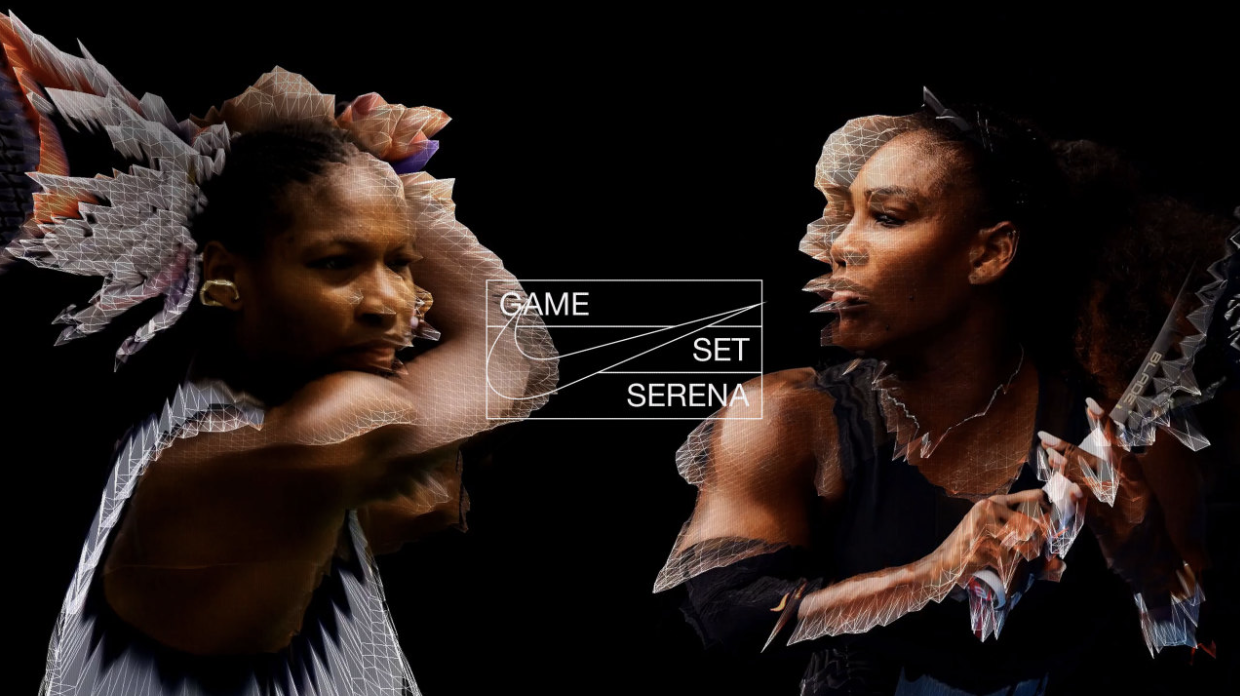
But what actually made the campaign stand out wasn’t the technology itself—it was the storytelling. Instead of just flexing AI capabilities, Nike used it strategically to convey a broader, impactful message about growth, progress, and what it really means to keep evolving.
In other words, AI made this execution possible, but it was the human decision and storytelling—using technology as a tool to create something meaningful and show a real understanding of people—that made people care.
The Evolving Role of Strategists
AI is reshaping how campaigns are developed, but it’s not replacing strategists (at least not yet!). It’s redefining what they do.
Today, strategists balance AI’s speed and efficiency with their own judgment, creativity, and understanding of people. They use AI to spot trends, summarize data, and suggest directions, but it’s their human perspective and understanding that decides how campaigns connect with audiences on deeper levels.
For aspiring Gen-Z strategists, the key takeaway is clear: it’s not about competing with AI, it’s about learning to leverage it effectively. This includes developing skills in interpreting insights, thinking critically about audience behavior, understanding cultural context, and communicating messages in a way that resonates emotionally.
In other words, your edge comes from your ability to look at things from a human perspective and create campaigns that make people actually feel understood.