
Making Ads About Making Ads? Behind The Buzz Of Behind The Scenes
By Ryder Moss
Every year, record-setting spending on Super Bowl ad spots makes headlines. Look a little closer, and these baffling numbers grow even more astronomical.
Brands spend big on producing show-stopping advertisements worthy of the spot’s price tag. Production costs cover a range of expenses, including securing a location, hiring and equipping crews, special effects, CGI, and more. According to first-time Super Bowl advertiser Zachariah Reitano, CEO of Ro, these costs can regularly reach the $4 million mark, and adding on celebrity talent easily raises production costs to eight figures. (X)
Despite these costly investments, audiences scroll past and even malign picture-perfect advertising every day, Super Bowl or otherwise. Whether it be fears over AI-generation, corporate-consumer disconnect, or just plain old visual fatigue, audiences are increasingly drawn towards “lo-fi, raw, user-generated content (UGC) over highly-polished media,” says advertising agency O'Brien et al. (O'Brien et al. Advertising)
In an age when polished results aren’t doing the trick, brands have to get creative if they want to capture audience attention. Many are utilizing a time-tested method with a few powerful benefits: behind-the-scenes marketing.
Whether we admit it or not, we’re all curious about how the sausage gets made. Audiences have loved a peek behind the curtain since the days of DVD special features. Director’s commentaries, deleted scenes, and, of course, behind-the-scenes extras are a treasure trove for authentic audience intrigue and loyalty.
Advertisers are making waves with BTS content. Behind-the-scenes marketing communicates authenticity, stands out against homogeneous polish, and increases visibility for the hard-working humans in the background.
Award-Winning Work
Building a campaign with BTS content in mind is a remarkably powerful method for getting an audience’s attention. Look at Coinbase, for example, and their “Your Way Out” campaign. The centerpiece ad, debuting during the 2026 Academy Awards, is a creative leap of faith. Mimicking the visual style of early-2000s low-polygon video games, the ad follows a young man transforming from a mindless, pre-programmed robot to an independent, real-world human.
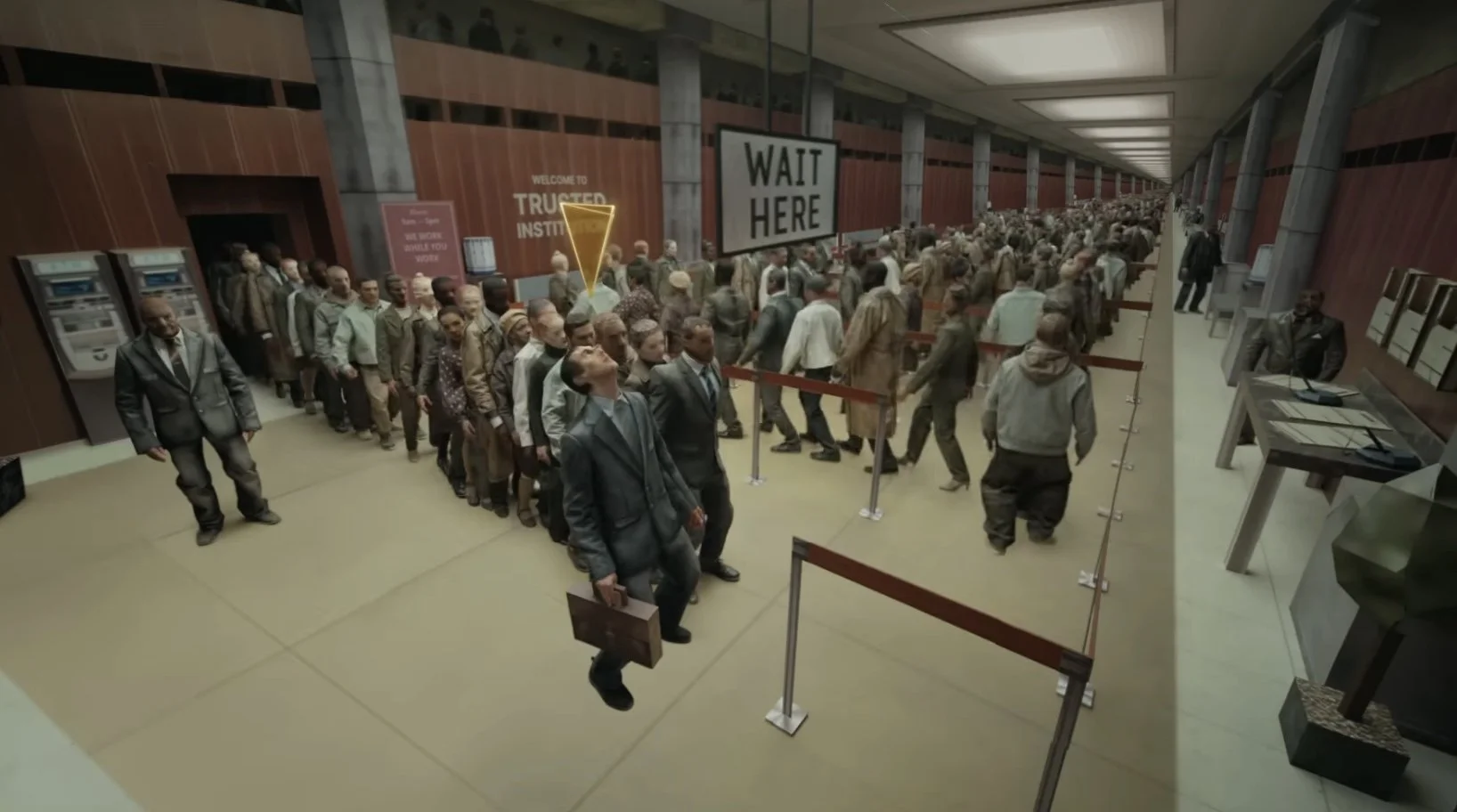
The visuals baffle at first glance. The video effectively captures the intended retro style and quality. And yet, it’s too crisp to have been made digitally, unlike the video games it references. Even the background characters and inanimate objects move almost like they're in a video game, and yet, they clearly aren’t.
Lo and behold, the BTS video. Coinbase invites curiosity and rewards it with a whole separate video showcasing the making of the TV spot. It becomes clear that almost every visual element of the ad was captured with real people, real costumes, real props, and real cameras. It’s a remarkable showcase of ingenuity, craftsmanship, and preparation.
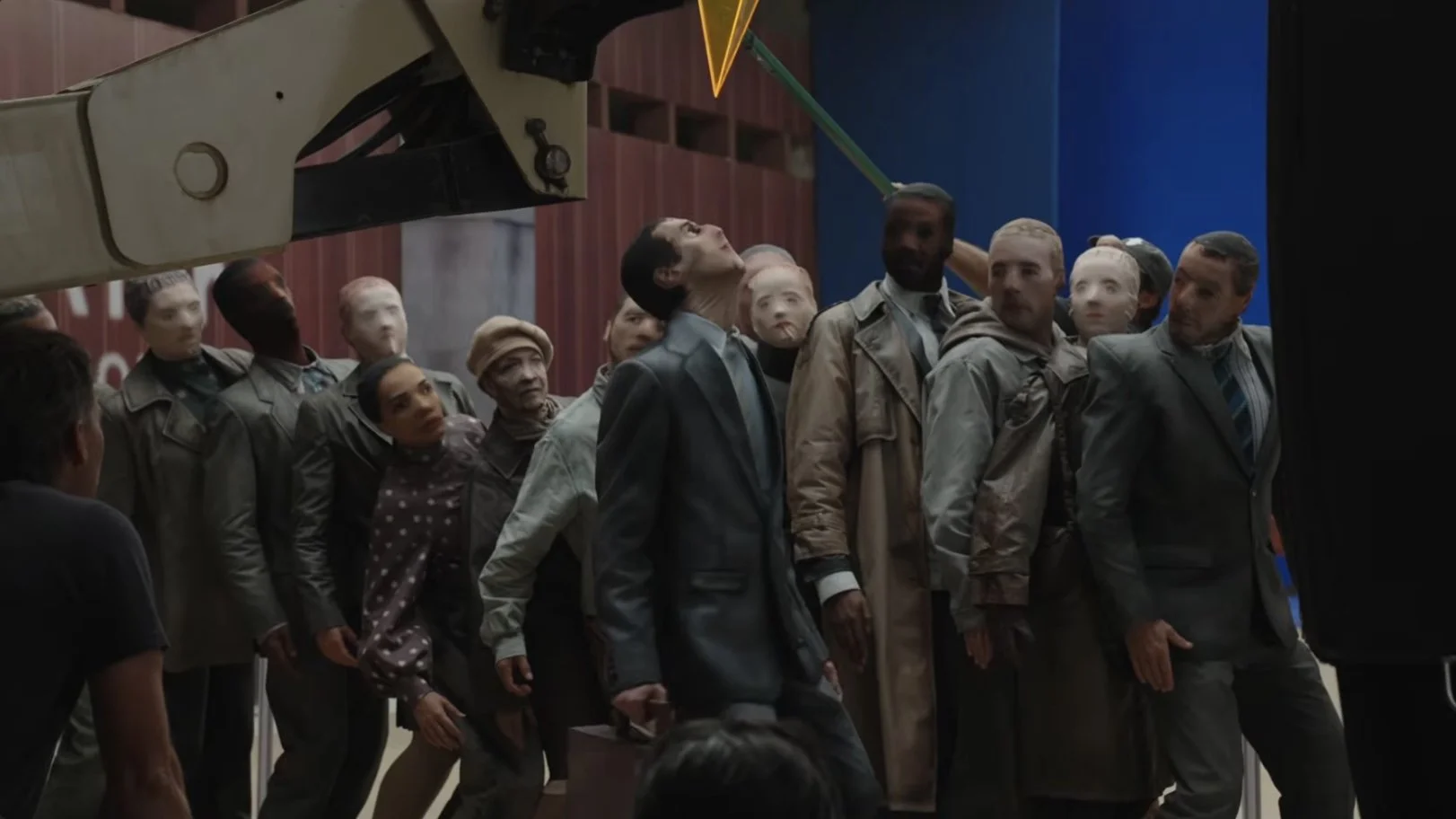
Coinbase lived and breathed their message to make this campaign. They want audiences to embrace going against the grain and putting in hard work to accomplish greatness, rather than falling in line and conceding to mediocrity. They sold that message by going against the grain, doing something worth the effort, and displaying the proof with pride. In fact, they sold it so well that the ad won the Grand Prix in Film Craft at the Cannes Lions 2026, the highest honor in a category at the prestigious festival. (Cannes Lions)
An Ad About Advertising
Breaking down the barrier between product and process is indeed powerful in support of a centerpiece deliverable. But what happens when the aesthetics of BTS are the central ad? In Nike’s case, you get a massive campaign with a high volume of impactful executions.
Nike’s “Rip The Script” campaign for the 2026 World Cup is technically pretty traditional. It’s got big names and a statement long-form brand video. It even follows a fairly well-worn formula for sports ads - athletes run and jump in an unusual setting. But it doesn’t feel like a traditional sports campaign. It feels like an intimate, daring, authentic look into the spirit of sport and the complexity of video production.
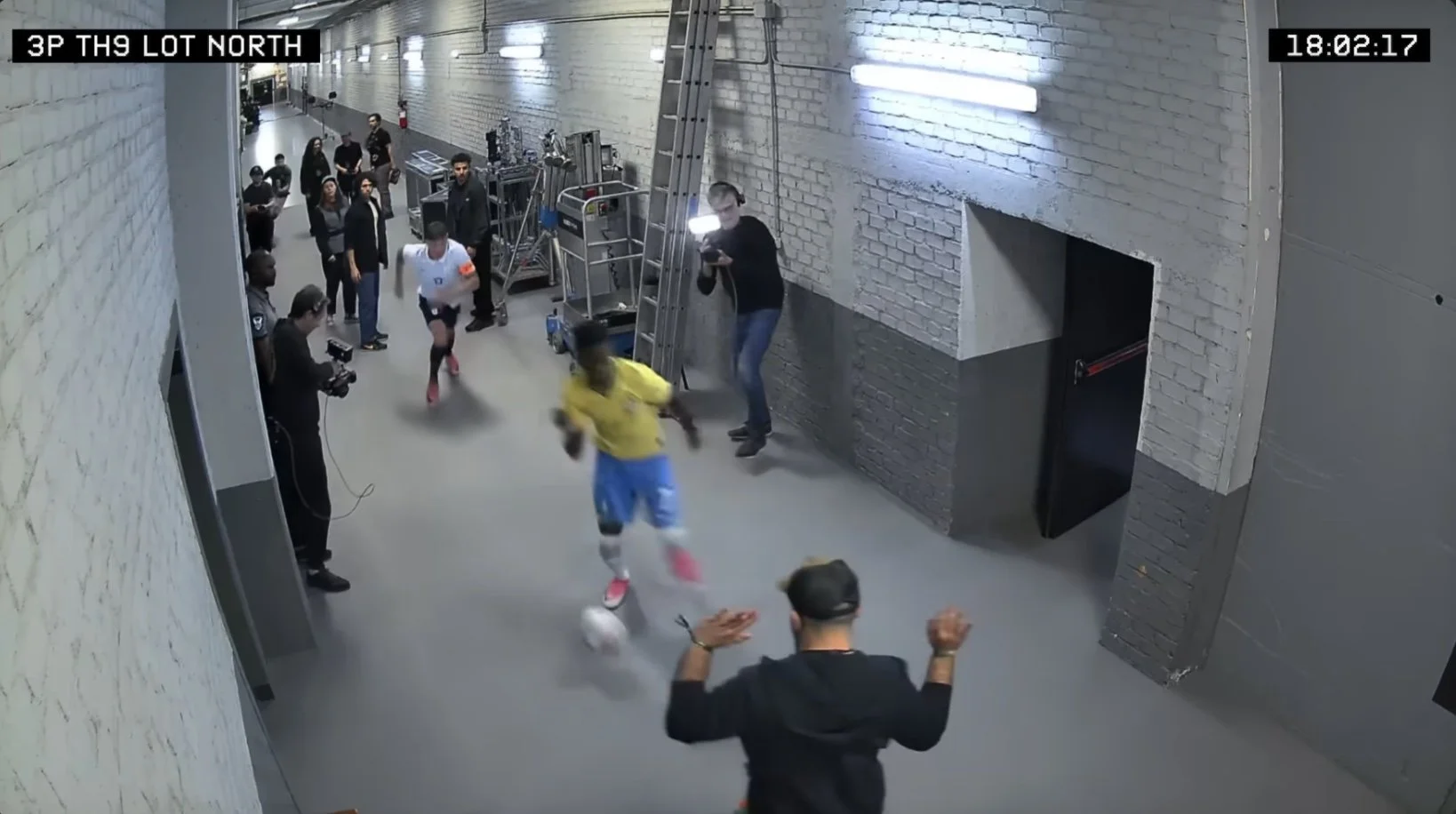
It’s the visual language of BTS that makes this ad feel special. In the first 20 seconds of the full-length 6-minute video, there’s a stark shift from overproduced polish to cinematography usually found in BTS and documentary videos: fuller aspect ratio, higher frame rate, dirtier frames, imperfect lighting, even some visual grain. These technical elements coalesce into a feeling of authenticity.
Run-and-gun camera operators and security camera footage capture the majority of the video, as the world’s most talented footballers ignore their media responsibilities. Instead, they’re preoccupied with the pure joy they find in their sport. They run and chase the ball around a massive Hollywood studio lot, causing chaos wherever they go. We see blurred faces, security guards, falling set pieces, and disrupted sound stages. It’s the exact opposite of what you’d expect a big corporation to allow on screens across the globe.
And that’s exactly why it works. The campaign helped Nike beat out Adidas’s competing “Backyard Legends” campaign with 51.7 million more views on social media and a better rate of engagement, according to Digiday.
Visibility is Marketability
Audiences love to be on the inside, to feel like they’re a part of something, and to know that the ads they pay attention to practice what they preach. There are few better ways to showcase who you are and why someone should care than by bringing the audience behind the scenes.