
Making Authenticity Authentic, and When It Fails
By Sarah Tocci
Being authentic comes with humility.
Imagine a clothing company telling you not to buy their clothes. Or a soda company suggesting their product could bring people together in the middle of a protest. Both are examples of brands trying to express something bigger than what they sell. So, why does one feel genuine while the other feels out of touch?
Consumers value authenticity and are increasingly looking for it within brands. They want brands to feel human and transparent, like they are connected to something meaningful. In response, companies are starting to incorporate authenticity into their marketing. But if every brand is trying to appear authentic, what’s real?
When it comes to brands, there’s a difference between wanting to appear authentic and actually living authentically. Are brands making creative choices that reflect what they genuinely stand for? Or are they just trying to convince consumers that they care?
Authenticity can’t just be another campaign, and often brands make the mistake of treating authenticity as a trend rather than as part of their behaviors. Brands can’t try to be authentic. Brands that try to be genuine don't come off that way. It’s about understanding their story and finding humility in how they demonstrate what they stand for. Brands must listen to their audience, recognize they aren’t perfect, and make sure their actions align with messaging. You can’t control how consumers perceive you, but you can be accountable for the story you’re telling and the actions behind it.
When Authenticity is Put into Practice
Let’s look at Patagonia. On Black Friday, 2011, they placed an ad in The New York Times with the headline, “Don’t Buy This Jacket”. The execution was simple: a photograph of a jacket with their bold headline. Their goal was to address the issue of consumerism, a risky choice for a clothing brand. They sought out to lighten their environmental footprint by encouraging people to consume less, and think twice before they buy. In a blog on Patagonia’s page, they write that “it would be hypocritical for us to work for environmental change without encouraging customers to think before they buy.” The campaign pledges to reduce what you buy, help repair already purchased products, and sell or pass on products customers don’t want anymore.
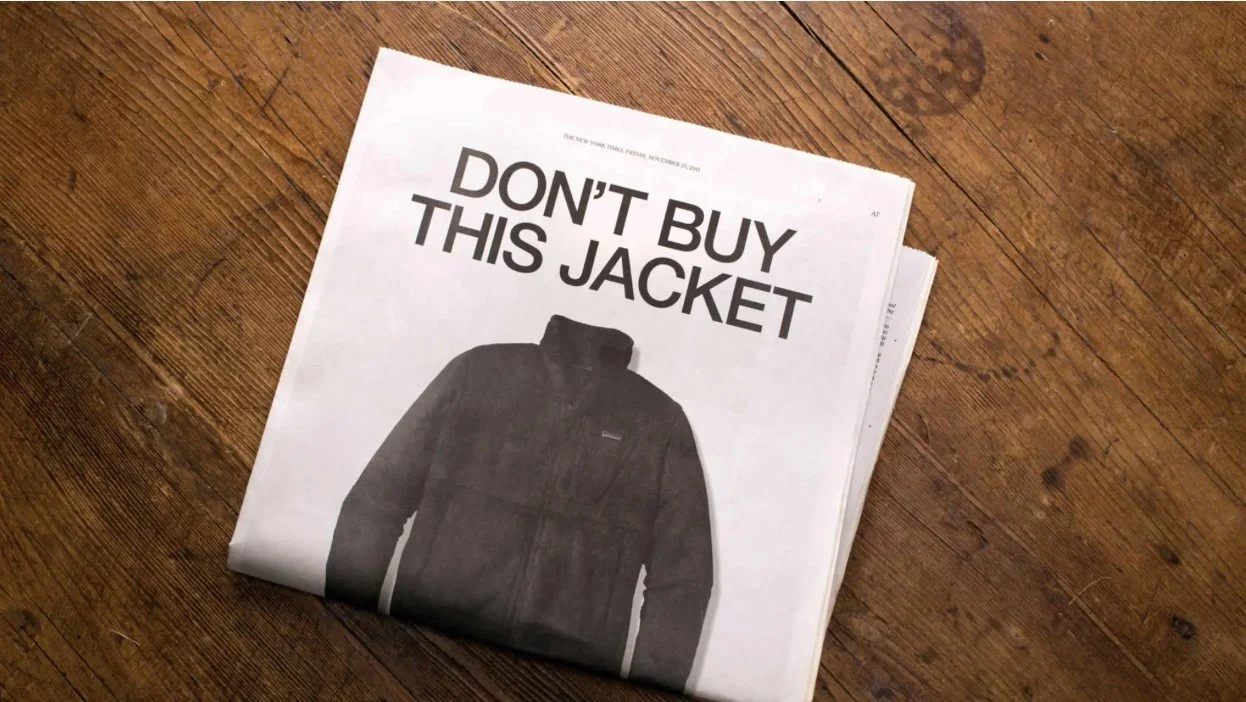
What made this campaign authentic wasn’t just their message, but that they recognized that it is still a company that manufactures and sells clothing, something that inherently contributes to greenhouse gas emissions, the problem they are trying to address. Instead of pretending they are perfect, they encourage consumers to think twice about their purchasing decisions.
Because of this, Patagonia’s credibility is strengthened. Consumers can see that environmental responsibility is an integral part of the brand’s business practices. It’s not just another advertisement; it speaks to the core of the company. This authenticity is reflected in consumer response. Interestingly, the brand reported a 30% increase in sales over nine months after the campaign. Beyond these sales growth numbers, consumers interpreted the campaign’s anti-consumption message as evidence of genuine environmental concern. The findings show that Patagonia reinforced its credibility with many consumers and strengthened its brand relationship with its audiences.
When False Authenticity Fails
Then there’s Pepsi. We’ve all seen the ad.
In 2017, Pepsi released a commercial called “Live for How” with Kendall Jenner exiting a high-fashion photoshoot to join a protest. She moves to the front of the line and hands a can of Pepsi to a police officer; tensions defuse and the crowd cheers.
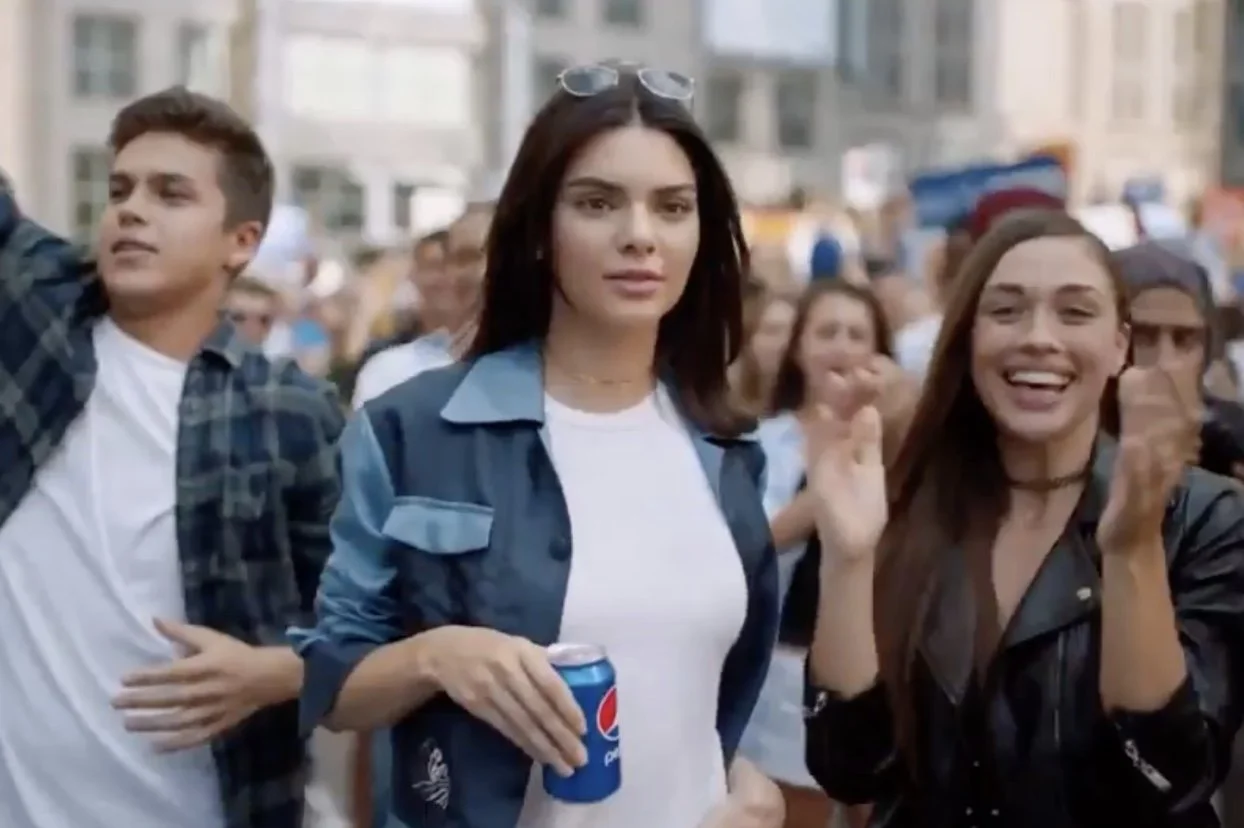
The intention was to communicate unity and peace. Instead, it feels performative and tone deaf. The ad wasn’t authentic because it seems to be taking a cultural moment as a product placement. A can of soda isn’t doing anything to help a social justice movement. Rather than contributing to an important conversation, Pepsi appeared to be using that conversation as an opportunity to sell its product.
The problem wasn’t that Pepsi wanted to communicate a message of unity. Pepsi tried to insert itself into an important conversation without fully understanding its place in it. The commercial reduced a complex movement to something that could be resolved with a soda. This is where humility becomes important. Humility would have meant realizing not every cultural moment is an opportunity. Brands need to consider whether they have a genuine connection to an issue and if their involvement actually contributes something meaningful. Sometimes, knowing when to step back is the most responsible creative decision.
Unlike Patagonia, whose message was rooted in an ongoing commitment to environmental responsibility, Pepsi’s message felt disconnected. And consumers noticed.
So, how can Brands be Authentic?
When looking at advertising from brands, it’s important to ask if a message reflects their values and if their actions support their words.
Consumers don’t expect brands to be perfect. In fact, they are looking for honesty and acknowledging imperfections. The most meaningful brands are the ones that are willing to stand behind what they say and stay true to their values.
Authenticity is powerful because it creates trust. Brands will never be able to control how audiences see them, but they can create work that reflects their true actions.