
The Digital Chase: Black Friday Goes Multichannel
By Stella Louie
Remember the viral Black Friday videos of shoppers tackling each other over flat-screen TVs? Now, those same shoppers are tackling a glitchy mobile checkout page with a month-old cart overflowing with limited-time deals, racing the clock before items sell out. The same incentives that once inspired lines before dawn, with shoppers burrito-wrapped in blankets bracing the 4 a.m. morning breeze, are now just one tap away, accessible from bed, the bus, or class.
The Black Friday frenzy didn’t disappear: it has moved online, where countdown timers, push notifications, and free shipping fuel urgency. Shoppers no longer need to wake up before sunrise to brave through crowded aisles. Deals are available anytime, anywhere, and now, with the rise of artificial intelligence (AI), they are often personalized based on previous search history, browsing habits, or trending products.
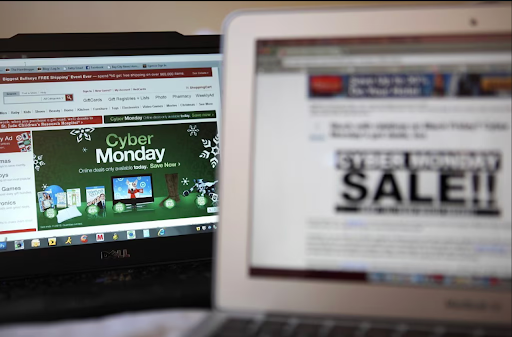
The rise of e-commerce parallels the shift in mindset of many shoppers: people aren’t just chasing deals, they’re making smarter financial decisions online. For brands, this means that capturing attention requires more than just discounts. It demands a strategic multichannel marketing approach that meets shoppers wherever they’re tapping, scrolling, and sharing.
From Storefronts to Screens
It’s no secret that shopping has expanded beyond traditional store aisles. Today’s typical storefront follows the shopper into their inbox, social feeds, and yes, still into physical stores. In 2024, Black Friday demonstrated this multichannel reality: 87.3 million people shopped online, while 81.7 million showed up in-store, the highest level since the pandemic.
However, behind these numbers is a bigger shift in consumer behavior. After spending years confined to their homes during the pandemic, shoppers are forced to adapt to new technology, new ways of browsing, and new standards of what “easy” should feel like. In other words, convenience, flexibility, and personalization aren’t just perks anymore: they’ve become expectations. Shoppers are now expecting fast online checkout, dependable in-store pickup and return options, and seamless channel-hopping — and e-commerce has become just that.
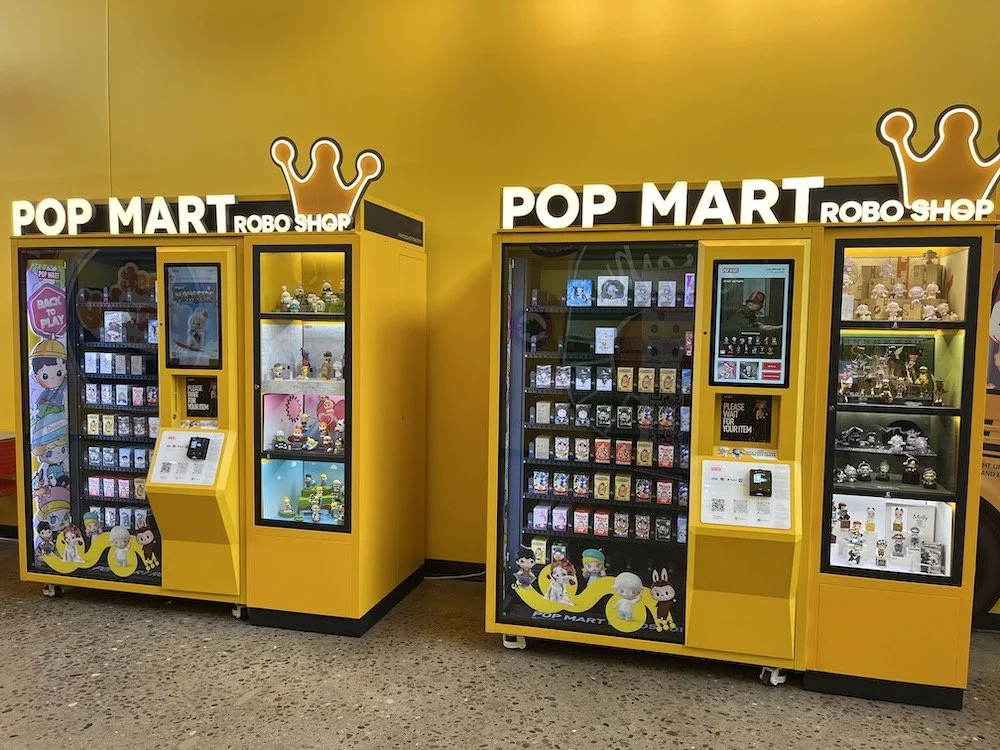
My favorite example? Popmart, the luxury toy brand behind Labubu dolls that TikTok has made impossible to escape, and that shoppers will still line up at the crack of dawn for. What’s impressive about the craze is that the lines didn’t form at the malls first – they formed on social media.
What sets Popmart apart is its marketing strategy: from limited mystery drops on weekly TikTok livestreams to futuristic vending-machine retail in malls, Popmart has transformed the hunt and purchase of a Labubu into a thrilling, addictive experience across various channels. They have even managed to spawn hilarious fake dupes like Lafufus. I’ll even admit, I’ve hopped on a livestream once or twice, only to throw my phone across the room as they’ve announced that everything sold out within seconds. It’s chaos, addictive, and exactly the kind of Black Friday frenzy that Popmart thrives on.
The Multichannel Advantage
Shoppers have changed, and so has the name of the game. These days, I find myself scrolling TikTok, checking reviews, and hopping between apps, all while comparing deals and making smarter choices about what to buy. And I’m not alone: shoppers are intentional in their research, especially online, seeking the best price and the simplest way to snag the goods. To grab their attention, not just on Black Friday and Cyber Monday, brands need a clever strategy that keeps them in front of shoppers no matter where their thumbs and screens wander.
This is where multi-channel marketing comes in! A multichannel strategy enables every touchpoint to work together so shoppers can see the right message at the right time across the places they search, scroll, and shop.
Here’s how brands are doing it digitally:
Programmatic Advertising
Programmatic ads enable brands to appear on all the platforms where shoppers live and breathe in, such as news sites, apps, streaming platforms, and more. The main benefit? Personalization at scale. If a shopper clicks on a product, browses it, or simply pauses on a short video featuring it, programmatic tech will follow those “signals” and deliver personalized and relevant ads across the internet to the shopper. This can be particularly helpful during shopping holidays like Black Friday or Cyber Monday, when shoppers tend to bounce between tabs to compare deals. The goal is simple: stay front and center for shoppers, even if their cart collects digital dust for a week.
Paid Search
Paid search enables a brand to appear precisely when shoppers are ready to make a purchase. These moments are easy to spot in searches like “best budget headphones on Black Friday” or “LEGO restock near me.” On big shopping days, the internet basically turns into one giant comparison chart where everyone is trying to outsmart the algorithm (and their wallets). A well-placed paid search ad will catch them right when they’re making that final decision.
SEO (Search Engine Optimization)
Paid search may win the sprint, but SEO wins the marathon. With the rise of e-commerce, shoppers now often research for weeks or months before the big holiday, scrolling through reviews, how-tos, and product comparisons. Brands that invest in SEO, such as optimizing website content and identifying internal linking opportunities in blogs, can help draw in that early traffic organically, helping to earn and build trust long before shoppers are ready to click that purchase button.
Social Media Ads
Paid social ads are great at planting ideas, and sometimes they are too great. Half of my “For You Page” on TikTok feels like a curated wishlist I never asked for, but I appreciate it. Paid social ads create that first spark of interest through short, captivating videos and influencer partnerships. When combined with platforms that run on discovery, such as TikTok and Instagram, that spark can turn into instant demand during hot shopping seasons.
Retargeting
Most people don’t buy right away. They get distracted. Or they forget. Or their cart has been sitting untouched for so long it’s practically fossilized. Retargeting is that gentle nudge, usually accompanied by a discount or a friendly reminder like “Hey, you forgot something,” and honestly, it works. I’ve revisited and been influenced by my own cart more times than I’d like to admit.
Where Deals Are Heading
If the past few years have taught us anything, it’s that the way people shop will only continue to grow more digital, more personalized, and more efficient. For brands, standing out won’t just be about being everywhere – brands need to be smart, creative, and memorable across every channel. And more importantly, I believe AI will play a big role in marketing and advertising, not just in predicting where consumers will be next, but also in helping brands craft creative and unique marketing experiences that captivate shoppers’ attention and tell compelling stories.
As the digital shopping experience evolves, so will the challenges. More brands will flood every feed, inbox, and app, and digital spaces will feel crowded and saturated. Shoppers scroll, compare, and click with strategic intent, and the brands that can keep up while meeting shoppers wherever they are will stay ahead. Although many lines on Black Friday may be gone, the digital chase is only getting started.