
What It Takes To Build a Brand
By Andrés Safa
When you spend enough time around brands, whether it’s building your own, studying your favorites, or working with clients in AdLab, you realize something pretty quickly. The strongest brands aren’t the ones chasing trends; they're the ones repeating the same story over and over again. They stay consistent, even when the internet moves on to the next thing.
Trend-driven brands might get spikes in revenue, but story-driven brands get something far more valuable. They bring in people who genuinely care. The brands that stick to their word, tone, and messages build identity, loyalty, and a base that does not disappear the moment the trend does.
Strong brands don’t start with logos. They start with a point of view. It doesn’t have to be inspirational or complicated. It just has to be theirs.
Some brands discover their identity quickly, others develop it slowly, and some never do. My experience was the second one.
In my senior year of high school, I started a clothing brand called Tico Made. It didn’t begin as a brand with a deep concept. It started as my nickname, but over time, TICO became an acronym for Tranquility Immersed in Chaotic Origins. That meaning captured the beauty found inside struggle, the struggle found inside beauty, and the everyday details in Black and Brown communities that rarely get highlighted in fashion.
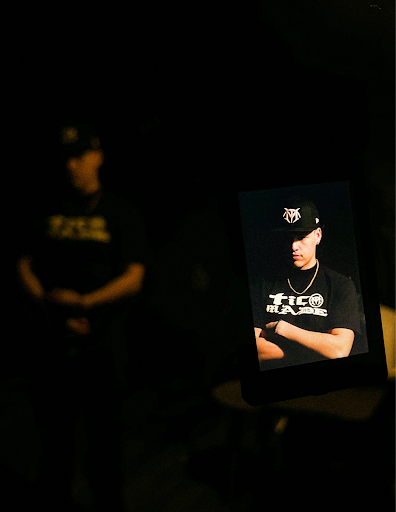
The brand did not come together overnight. It took consistent photoshoots, community events, and collaborations with figures who understood the energy. The designs slowly became more refined and timeless. Through raw and authentic work, people began to connect with it. I did not force authenticity. It was simply the only way the brand felt real. That honesty is what people naturally gravitate toward.
Authenticity becomes a brand’s strongest filter because it keeps the message grounded and consistent.
Once a point of view is established, identity becomes easier to shape. The strongest brands stay consistent, not by repeating visuals, but by adding a new page to the same story. It could be a plot twist, but it must be the same narrative.
Supreme is a good example of this. The red box logo is central to the identity, but the logo alone does not make Supreme influential. The brand came from gritty skate culture, which has always been raw, independent, and completely uninterested in mainstream approval. That attitude shaped everything the brand has become.
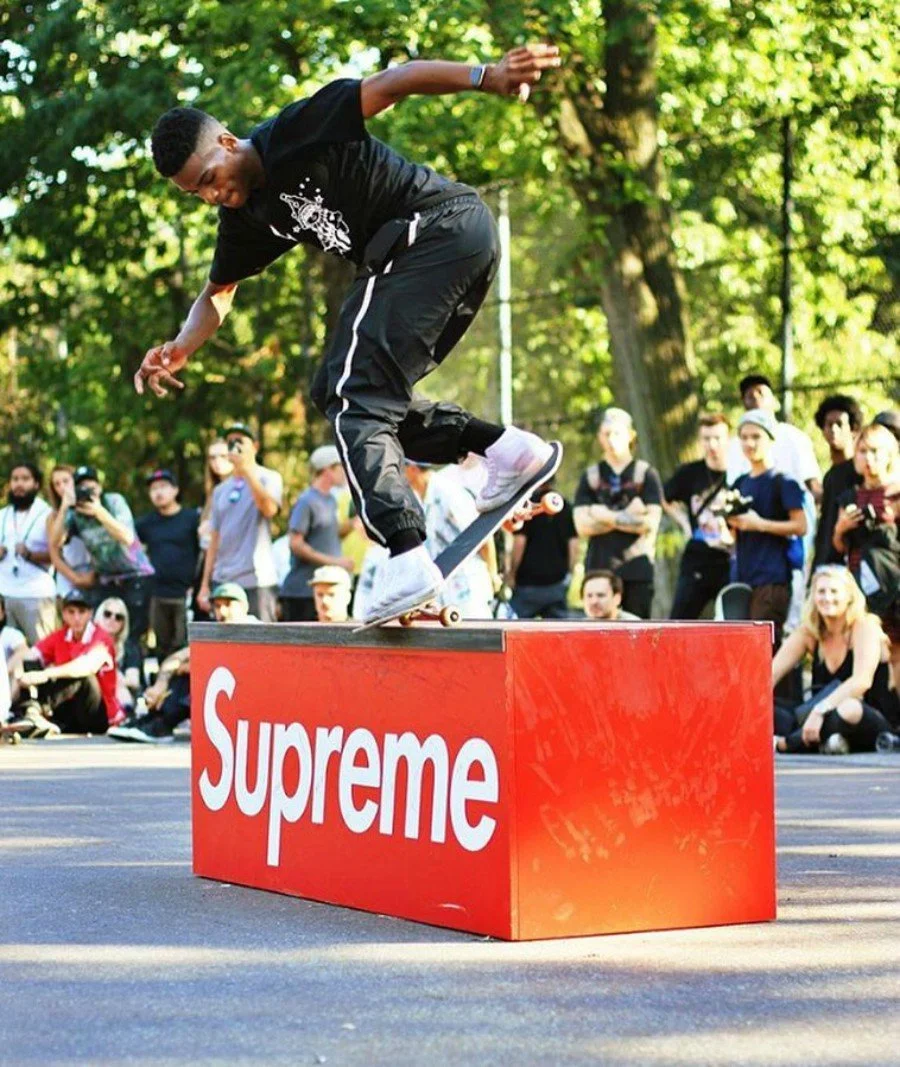
Supreme has used different artists, references, and aesthetics over the years, but the tone behind everything has stayed the same. The brand has always carried a skater identity with a careless, unbothered attitude that feels genuine to the environment it grew out of. Supreme never tries to be polished or universally liked. It keeps a specific point of view and allows people to approach it on their own terms. They don’t hop on trends, and as a result, they become the driving force of many trends themselves.
Their consistency comes from the people they represent, not from a single style. That attitude is what makes people believe the brand even when the visuals change from drop to drop.
A brand’s story is not a script. It is the pattern people notice when they see the same message, tone, and energy repeatedly.
Larry June is a perfect example of this outside of fashion. His personal brand is not based on a heavy mission statement. It is built through repeated behavior: the orange, the healthy routines, the discipline, the positivity, and the calm. One clip or one line is enough to know it’s him.
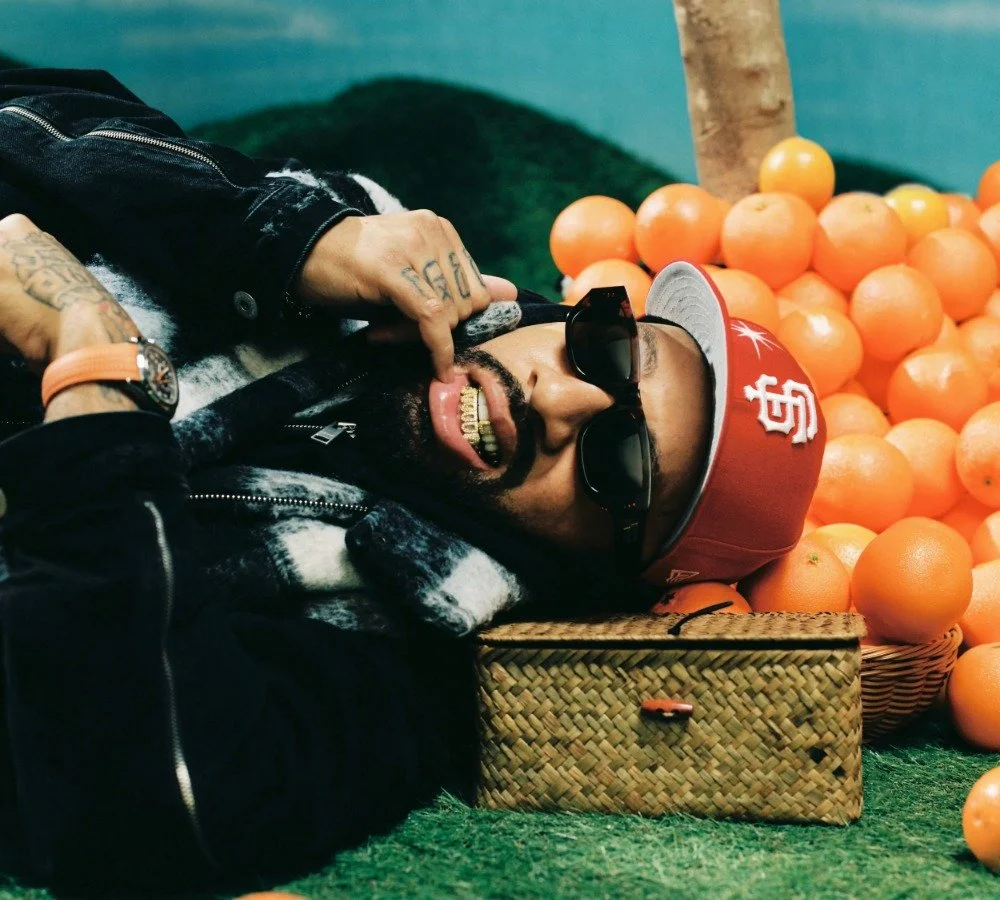
He does not chase trends. He expands the world he has already built. This type of storytelling does not feel forced because it is lived. People connect with Larry June not solely for his music but for the environment he represents. That is what strong brands do. They materialize a world people want to visit or feel they already live in.
The creative part is exciting. The consistent part is where brands are built. Consistency is what separates a moment of attention from a real brand.
Anyone who has worked inside AdLab sees how fragile brand consistency can be. A tone that feels slightly off. A color choice that doesn’t match. A caption that doesn’t sound right. These small decisions add up over time. When teams are not aligned, the brand loses clarity.
When teams are aligned, everything clicks. Strategy guides the work. Creatives understand the visual rules. Copywriters understand the voice. Account teams protect the story. The brand feels unified because everyone is describing the same thing.
Consistency is not about restricting creativity. It is about giving creativity a place to live.
Brands that last don’t chase what's hot this week. They build systems that show people who they are all year round. Systems like visual language, tone, photo style, release cadence, collaborators, packaging, and community moments.
Supreme has a system. Larry June has a system. Tico Made, on a smaller but still real scale, has a system built through repeated visuals, recurring themes, and cultural roots that never change.
When a brand has a system, trends become optional. The identity does not depend on outside forces. It stands on its own.
Building a brand is not about having everything figured out on day one. It’s about creating a point of view, shaping an identity around it, telling a consistent story, repeating that story across every touchpoint, and staying honest enough for people to believe it.
The brands that value clarity over noise, timelessness over trends, and systems over impulsiveness are the ones that last. Anyone can make something interesting once. The real challenge is building something that people resonate with, beyond the product.